Clementine Moss on Bonham, the meditation mat, and letting the music play you
Clementine Moss founded Zepparella, an all-female Led Zeppelin tribute band, in 2004, and she has been behind the kit playing John Bonham's parts ever since. She's also a songwriter, the writer of the blog Bliss and Drumming, and the author of From Bonham to Buddha and Back. We talked about starting drums in her late twenties, her first ten-day silent retreat, what a tour day really looks like when you're also the band manager, and why the loudest thing she's ever heard happened on a meditation mat.
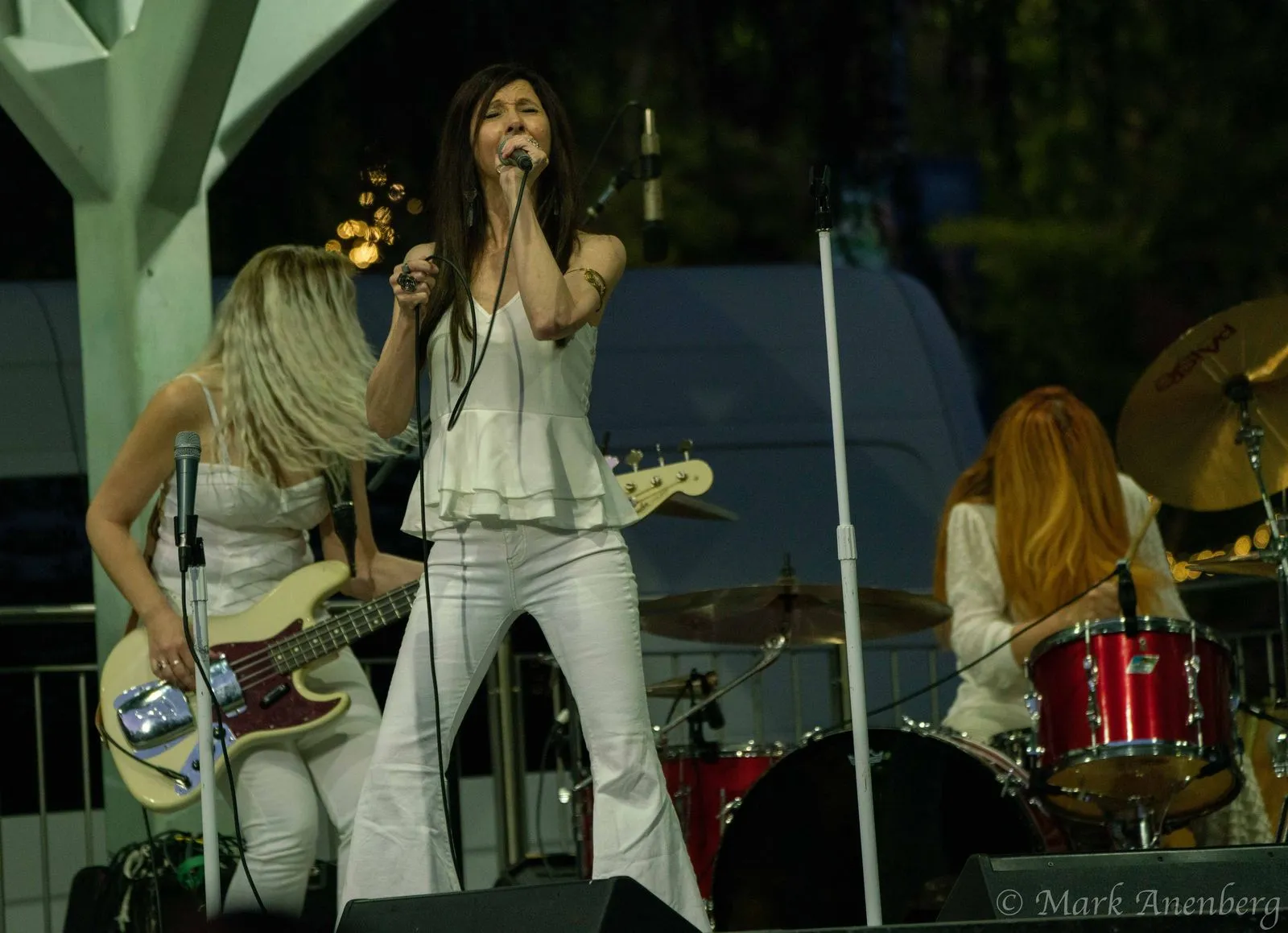
Clementine Moss, who goes by Clem, founded Zepparella in 2004. It’s an all-female Led Zeppelin tribute band, and she’s the one playing John Bonham’s parts. She also writes songs, writes the blog Bliss and Drumming, and wrote a book, From Bonham to Buddha and Back, about where drumming and meditation meet.
I play drums, and sooner or later every drummer ends up studying Bonham. I wanted to talk to someone who has spent more than twenty years inside his parts, and who came to the instrument late, after moving to New York thinking she’d be a writer. A lot of this conversation ended up being about the quiet side of a very loud job.
You moved to New York after earning a creative writing degree, and then the writing path gave way to drums. What was happening in your life when drumming took over, and was it hard to let go of the plan you’d had?
I moved to New York after college, when I was 21 years old. At the time, I considered myself a writer, but I didn’t feel really like I had that much to say. Now, when I look back at it, I think I was looking for a creative community. Writing is very solitary, and at the time, I was really wanting to find some sort of art form that involved other people.
I had a lot of musicians in my orbit, and through a series of circumstances, I decided to take a drum lesson. Sometimes when I don’t know what to do in my life, I just take a lesson in something, and that can point me in some kind of direction. Luckily for me, I found a wonderful drum teacher who wanted to get me drumming quickly. Within a year and a half, I was playing in bands.
You started drums at 27, the same year you sat your first ten-day Vipassana retreat. How did those two beginnings shape each other?
Around the time that I started playing drums, I went to my first 10-day silent meditation retreat. And in that Vipassana retreat, I had what people call a big opening. I had a moment, and I don’t know how long the moment lasted, where I had this sense of how everything was connected. Everything became one thing, and I was just a part of the whole.
When I came back from that, things were different for me. I felt that maybe my choices were not as important or stressful as I needed to make them, and that maybe my life was about going where my heart was pulling me, where my enthusiasm was.
I had the benefit of being free to explore at that time. I didn’t have pressure from my family or culture about how I was supposed to live. I realize what a freedom that was, and a privilege.
Meditation also taught me that there was a part of me that was sort of consistent, no matter what I was doing, or no matter how much I stressed out about stuff. This part of me seemed to just carry me through life, and my job was to just trust that more and more.
So becoming a drummer in my late 20s, and deciding to go on the road with two other women for a year, and give up my apartment, and move into a van, all of that just seemed like fun. It was in front of me, and that’s what I wanted to do. I let life carry me forward because it felt right with that inner part of me.
You founded Zepparella in 2004 and have been on the road ever since. What has kept you going all these years?
When I started playing drums, I had this thought, and looking back it seems kind of ridiculous, but I thought, if I was a musician, I could travel and work. I didn’t play an instrument at the time, but for some reason it seemed like a viable career choice.
I love travel. I love seeing new places, meeting new people, seeing how people live in all different parts of the world. I still don’t mind hotel rooms, and driving, and airplanes. I guess I’m just suited for it. Some people have a real hard time with all of the ups and downs of life on the road, but I see it as a kind of challenge. How can I maintain my equanimity while everything around me seems like chaos?
Zepparella has been together for so long because Zeppelin’s music is great instruction. John Bonham was a magical drummer, magical in the ways that I want to be magical: his understanding of time and feel, and the technical aspects of his playing. I’m always learning something new, always working on things that I thought I would never be able to do, and when I accomplish them, it’s exciting.
I love playing music that people love so much. It’s really wonderful to play music to people who had their baby when they were listening to Led Zeppelin, or got married listening to Led Zeppelin, or fell in love. I’m playing for people who are already kind of a family. To play music that is automatically loved, you can’t beat it. Meanwhile, my job is to play Led Zeppelin songs for Led Zeppelin lovers.
What did you learn about yourself by playing John Bonham’s parts night after night, and how do you make them feel like your own?
I can’t help but make John Bonham’s parts my own. I can’t help but be the drummer I am. I can’t help but hear time the way I hear it. I can’t help but respond to the other players in my band the way that we interrelate. I’m playing John Bonham’s parts, but there’s always Clem there. I’m never John Bonham. I hope people are feeling it in their bones the way they would have if they were seeing Zeppelin, but we can never be somebody else.
In a way, playing somebody else’s music teaches you a lot about who you are as a drummer, which is kind of surprising, but it’s true. I’ve learned a lot about my natural tendencies and how I’m unique in the way that I hear things and play songs. I found that out playing in the structure of somebody else’s parts.
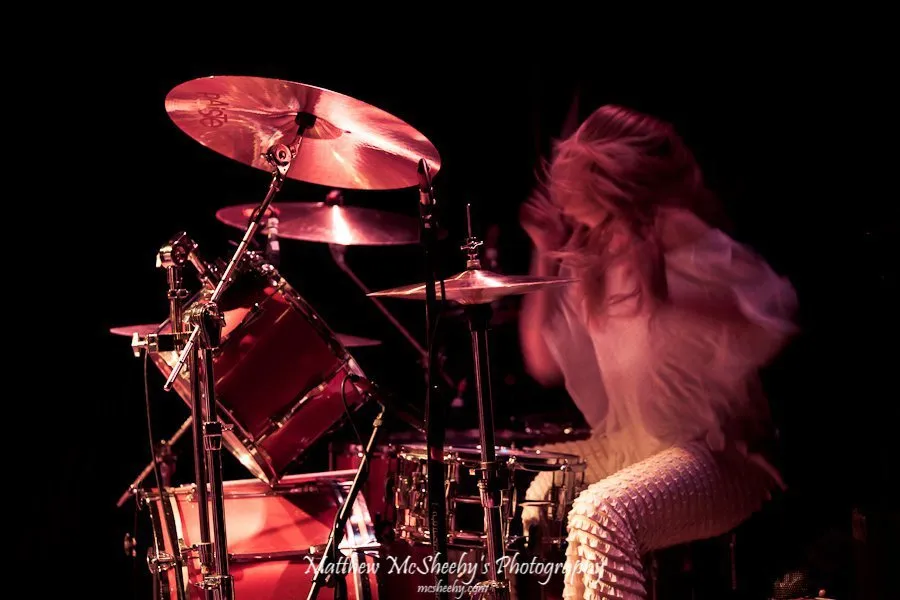
What does a normal day look like on tour? What part of the job do people never see from the outside?
A description of a day on the road has to start with the reminder that I’m the drummer but also the band manager, so it’s a little more exertive than for many musicians. To keep a band going for 20 years, I’ve found it’s important financially to travel lean.
The day starts for me with getting to the van 15 minutes early to load in whatever gear is there. Then I drive to the show, sometimes up to 6 or 7 hours in the day. We get to the venue and lug the gear to the stage. I spend a while trying to get the backlined drum set to work for the way I play, and seeing what is going to give me problems: the hi-hat stand moving, the snare stand too high, cymbal stands that don’t tighten, drums I have to retune.
If I ever get six hours of sleep in a night on the road, that’s a lot, so while I’m setting up the drums I like things to be quiet so I can center in my head and make peace with the lack of sleep and the fatigue of driving. I like to just commune with the equipment. Later I’ll be happy to talk, but at this point in my day I’m not capable of more than one-word responses.
Then it’s setting up the merchandise, which means wrangling 70-pound suitcases, getting the guest list to the promoter, meeting with the merch person, and whatever else pops up, like a last-minute vehicle move where I have to run the length of a casino to move the car into a different parking lot. If I’m lucky, I get to lay prone on a couch for even 15 minutes and just relax.
Then it’s the show, 2 hours of exertion and musical connection that is the reason I’m doing any of it. There’s always some moment during the show when I feel happy to be there, and happy to be sharing the evening with folks, and all the work falls away.
When the show is done, I pack up my gear, pay the merch seller, and pack the van. When we have our own equipment, this is where the real exertion is, because I’m packing the amps, the drums, all of it. I’m so amazed at my body, getting off stage and shortly after scrambling into the back of the van to lift the guitar cabinet. People who help me are like angels and have to put up with me barking orders at them when words have pretty much disappeared from my capability.
Then it’s the drive to the hotel, sometimes up to four hours. When I finally lie down, the whole day unwinds from my body. It’s funny, I can hear the audience in my ears. That’s probably the last thing I hear as sleep comes on. It’s a nice reminder of the best part of the day.
How do you stay healthy, physically and mentally, while playing hard rock on the road?
I’ve had times where I’ve been healthy and times when I have not had the best habits on the road. Three years ago, I became completely sober. That was actually pretty easy, and it was time for me to do that. The thing I started to focus on more was the craft of playing drums and writing and performing music.
I’m very fortunate that I’ve always been very solidly built. I don’t get sick very often. And I’m in a band with three people who are focused on being healthy and staying healthy. They are wise about fitness and diet, and I learn a lot from them. I’m the slacker, but when you’re traveling with people who really make things like vegetables a priority, it makes your life a lot easier.
Meditation practice has helped me in so many ways. The biggest way, I think, is that I have found that part of myself that is always still and quiet, no matter what is going on. Whether I’m on stage playing a big loud rock show, or stuck in traffic getting irritated, there is a part of my awareness that never changes. Life moves easily from that place, and meditation practice is a constant connection to it, so I don’t get very worked up about things going wrong.
You’ve joked that your enlightenment is the “slow” kind. How does your practice hold up in the middle of an actual gig?
Behind the drum kit, what I’m trying to do is to let the music play me. I’m trying to get out of my own way. If fear rises up, or worry makes me unsteady, my goal is to just let those things pass through me without latching on to them. I want to be an instrument for the music to play through, and to connect with people through the music, connect with the players on stage, and connect with the audience. I try to be as present as possible for that.
Sometimes it’s easier than other times, of course. I’m certainly not perfect, and I can get sidelined by irritation or wishing things were different, but I try to connect to that part that we all have within us, that still, quiet part that has my best interest at heart.
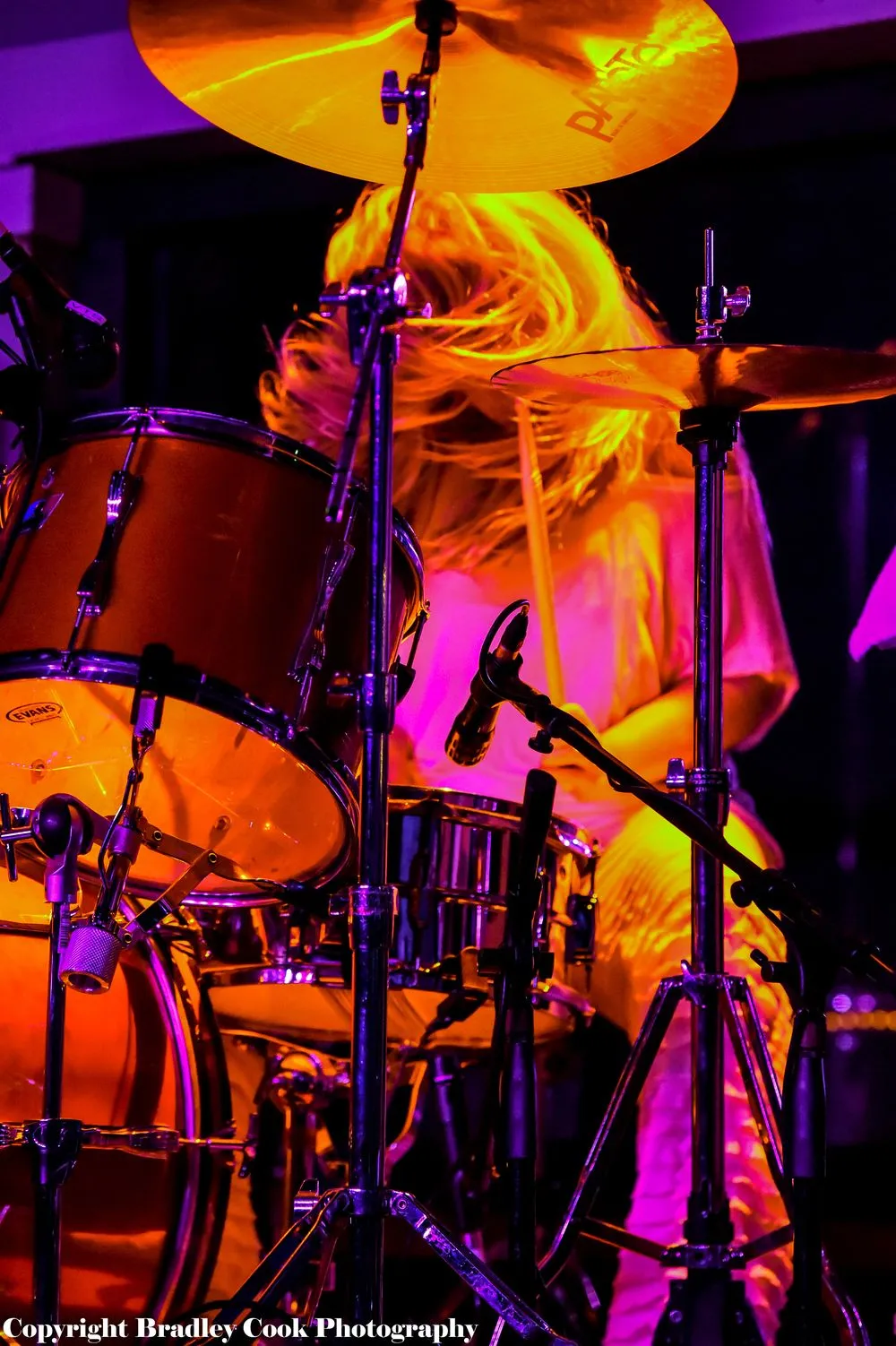
You’ve compared the rock concert hall to the meditation hall. Where do they feel the same to you, and where are they completely different?
People think it’s so different. A rock show is loud and meditation is so quiet. The loudest thing I’ve ever heard is the inner voice in my head when I’m sitting on a meditation mat, judging me or telling me all the negative things that our minds can tell us.
I struggled with that for a lot of years, having a very negative internal voice. When something wasn’t going right in my external world, I would turn in on myself, attack myself. And that voice is louder than any rock concert. For a long time I believed those things I was telling myself, believed I was intrinsically unworthy.
In both places, on the stage and on the meditation mat, I’m looking for that place within me that is perfectly quiet, still, connected, the knowing part of my awareness. The more I can be in that place, the easier things go. I seem to move from enthusiasm rather than fear, and that helps me connect with people a little more deeply and be open-hearted in the world. That more than anything improves my playing.
We are afraid to be open-hearted, we feel so vulnerable. I want to lean into that fear and release it so I can be truly present and of service to others.
From Bonham to Buddha and Back grew out of your blog, Bliss and Drumming. What was it like to come back to writing, and what did putting the book together teach you?
I started getting back to writing when I started writing songs in the early 2000s. There were many years where I set writing aside because I was so engrossed in the music world. Then came songs and lyrics, and then the blog, Bliss and Drumming.
I started to think about writing a blog because I would go out on the weekends and play shows, recognizing how my meditation life and my musical life intersected, how I was finding that same place within me in all of these different situations. When I meditated more, my drumming seemed to get better, even if I wasn’t practicing as much as I should, which was so strange. So I started writing down some of the things I was thinking about while I was on the road.
Then during the pandemic, I looked at the writing and thought, oh, I’ll put these all together as a book. But as I started doing that, I realized, actually, I have to write a book. I can use some of these old blog pieces, but I really need to adapt everything and make it a story, make it an arc. That’s how my book happened.

Last one. What advice would you give a young drummer, maybe one coming out of marching percussion, who wants to make a living playing music?
Both of my nephews right now are marching band percussionists and drummers, and they’re getting the great drum education that you get in high school that I did not get. I’m just tickled.
I learned how to write when I was very young, and there are a lot of things in writing that I just take for granted. You learn a lot of things before you even know you’re learning them, and they become second nature. That’s a wonderful thing about learning so young.
I also think there might be a bit of a danger. I struggled a lot with my internal world when I was a teenager, and maybe I didn’t value what I learned then as much, because it was attached to that part of me I didn’t like. If a young drummer associates drumming with a time when they were struggling, they might discount it as just a thing they were doing when they were unhappy. I hope young people push through that instinct, value the wonderful solace that drumming can be, and keep moving forward with it.
All of us have had moments of wanting to conquer the world, being famous, making a living playing music. That’s fun! But I think if those goals are your only goals, and music is a means to that end, you might be really disappointed and forget that the whole point is the love of the instrument and the self-expression it offers. You have to keep that joy in playing close to your heart, and not make choices that diminish that light and enthusiasm.
It’s the love of the instrument that will carry you through every part of your musical career. You must want to pick up those drumsticks when you get home. Pick people to play with who love it the way you do and prioritize it the same way.
Music can be a challenging profession at any level. It means spending time alone in a room practicing when everyone else is out there partying on the sunny day. There are very difficult, dark days of being an artist. We ride those times out because we don’t want to do anything else. Nothing else gives us the same rewards.
I guess that’s a long-winded way of saying, you gotta love it. Get excited, keep learning, keep finding out what you’re made of. Work hard. Your instrument will give you everything that you want and more.
Clementine’s book, From Bonham to Buddha and Back, is on Amazon, and her blog is Bliss and Drumming. You can find her at clemthegreat.com and on Instagram at @clementinemossmusic, and Zepparella at zepparella.com and on Instagram at @zepparellaofficial. For more on the ten-day retreats, see Vipassana 10-Day Programs. Portrait by J. Robert Williams. Live photos by Mark Anenberg, Matthew McSheeby and Bradley Cook Photography.