Steven Christopher on Memphis, virality, and doing it all yourself
Steven Christopher writes, produces and basically runs his whole career on his own. I talked to him about growing up in Memphis, writing songs in the shower, how his remix of "Collide" blew up on TikTok, and all the jobs he never expected to have to learn.
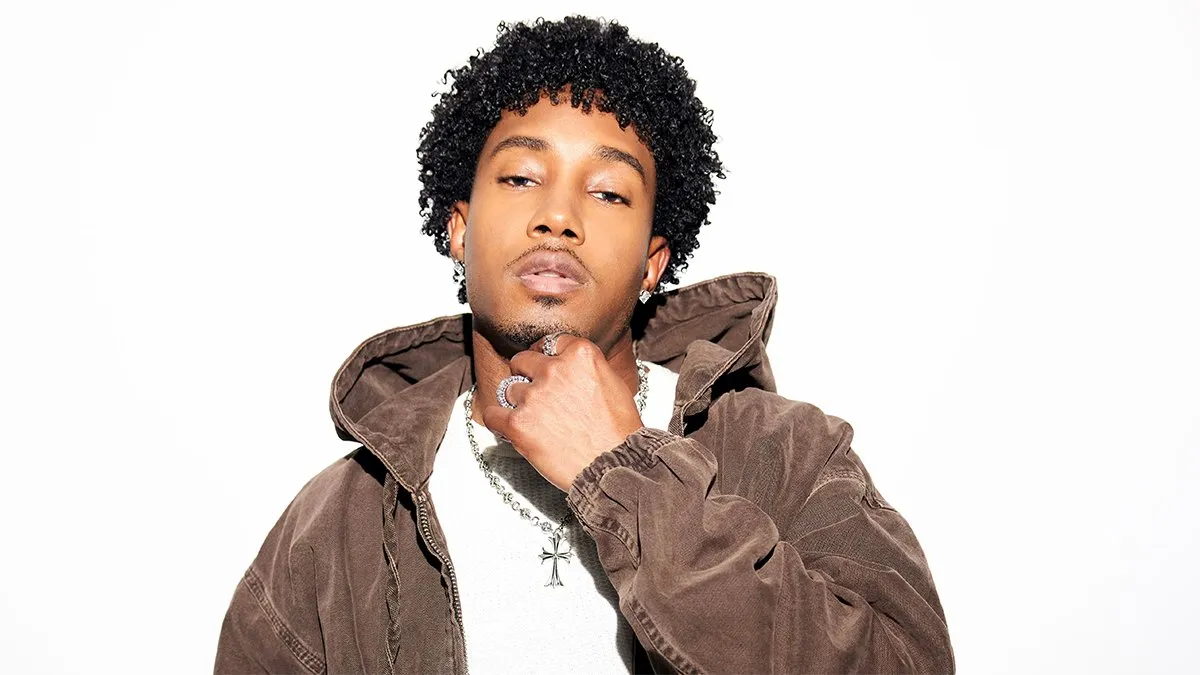
Steven Christopher is an R&B singer and songwriter. He grew up in Memphis, spent time in Atlanta, and lives in LA now. His records are warm and built around his voice, and he’s independent, which in his case means he does almost every job himself. The writing, the production, the visuals, the business side, all of it.
He’s also the guy behind one of the biggest TikTok dance trends of 2022. He made a sped-up remix of Justine Skye’s “Collide” that took off, brought a song that was almost ten years old back to life, and put his production in front of millions of people. We get into that, but it’s a small part of what we talked about. Mostly this is about how someone builds a career when nobody’s doing it for them.
Steven doesn’t waste words. Some of these answers are short because that’s how he answered them.
Before the questions, here’s what he sounds like. This is him performing his single “Don’t Wait” for On The Radar.
Let’s start with Memphis. What was it like coming up in music there, and how does it compare to Atlanta and LA?
In Memphis it was really just me building a foundation, influence-wise. Singing in church. Going to the bars and lounges and hearing family sing, that whole thing. Music has just always been, I think, an undertone of the city. You got the birth of blues, birth of rock and roll, gangster rap, all pretty much started in Memphis. And that’s something I didn’t even realize, that rock and roll started in Memphis. So yeah, it was just kind of an undertone of life, you know, music in the city.
I started doing things when I was in Atlanta, just kind of on my own. I really wasn’t into the scene like that. And then I came here and started putting myself out. LA is cool because there’s a lot of different people here to collaborate with, especially visually.
I think every city has had a little bit of an effect on me. Atlanta, even before I moved there, influence-wise. Usher, Outkast, Future, who’s one of my biggest influences, I feel like. I was already a fan of what Atlanta was doing before I moved there. So each city kind of helped mold my taste.
Memphis doesn’t have the same music infrastructure as Atlanta or LA. Did that ever hold you back, or did it even matter?
I think Memphis is really big for music now. I mean, you got Young Dolph, you got GloRilla, you got Key Glock. Pooh Shiesty, NLE. I feel like now it’s a lot of people coming out of Memphis. So whatever was lacking when I was there, that’s definitely made up for since.
You’ve told me before that a lot of your songs get written in the shower. What happens between an idea hitting you and a finished song?
Yeah, I write a lot of music in the shower. I think water has an effect on creativity.
Usually a bunch of voice notes. Or I might run to my laptop and a mic and put the idea down, just a scratch vocal. Then from there, a lot of knob-twisting, adding things, trying things out until it feels right. Drums after I come up with a melody idea, that’s usually the next step. So yeah, just a lot of playing around with sounds between an idea coming and a final song.
Let’s talk about Collide. Remind me what you actually did, and how it took off.
I saw it was going crazy. It was my version of it that was going crazy on YouTube and TikTok, but I wasn’t getting any credit for it. Which didn’t feel good. So I was like, alright, well, what can I do around that to have some impact, or receive some of that?
I started doing reactions to people that were doing the dance challenges. And then I was like, well, let’s take the sound. I sampled my voice, pretty much. Pitched it up and made a beat around it.
Here’s him telling the story himself:
What’s been the most frustrating part of the music process, or the business side?
I don’t really have anything specific. It’s all a process. You just have to be patient and do the work. That’s what I’m doing, so. That’s what it is.
You’re independent right now. What’s behind that, and do you want to stay that way?
I didn’t say I wanted to stay independent. I just am, right now.
My thing is, whoever I work with, I just want it to be built on respect. Appreciation of my talent, and my appreciation for whatever it is that they do. It just kind of depends. But I’m open. I’m open to both.
What skills did you realize you had to learn as you grew that you had no idea about when you started?
Everything. I’ve learned everything. I mean, I do everything.
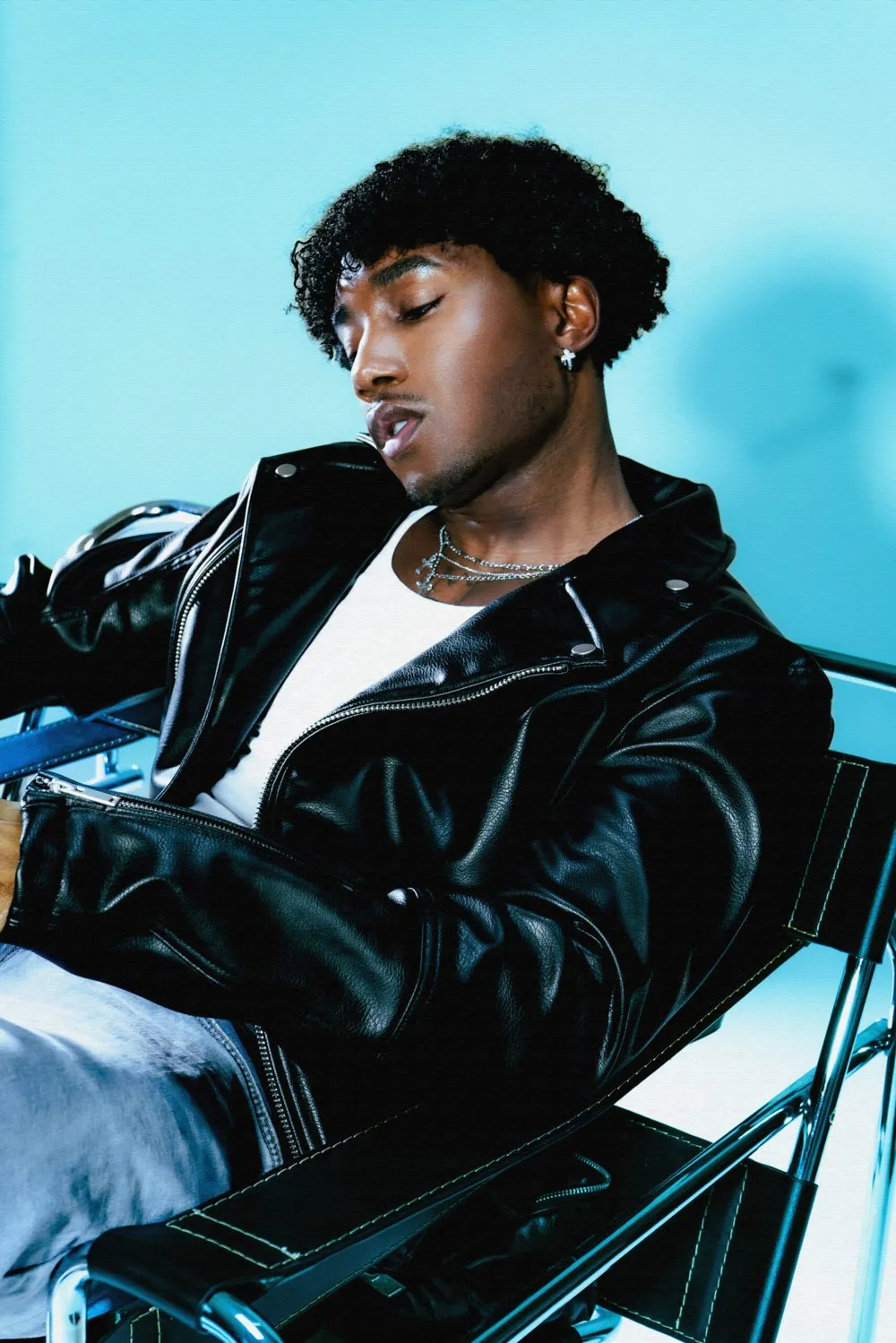
I didn’t know I’d have to become a performer, a producer. Didn’t know I’d have to learn to be a writer, editor, content creator, art director, stylist, publicist, booking agent. Music director. All of that I’ve learned, and I’m doing it myself.
Last one. What advice do you have for anybody starting out or trying to navigate the industry?
Just focus on being the best you can be, talent-wise. Whatever it is you do. Just focus on being the best and everything else kind of lines up and falls into place. I feel like at the end of the day, people will only pay attention if the songs are good. And I think the music itself is really good, and that’s the only reason why people pay any attention. The music is good, and obviously I think I also have a gift in being able to sing.